The strength of our coalition lies in the collective power of our partners.
Partner Spotlight
-
![]()
Anupa Asokan
Anupa Asokan, founder of Fish On, published a 2024 paper detailing how marine protected areas (MPAs) can drive environmental justice outcomes, including preserving cultural heritage and mitigating climate impacts. The analysis argues that the current US focus on commercial fishing interests as the leading framework for ocean policy ignores the diversity of ways communities interact with our ocean across the country. Reforming existing MPAs and creating new protected areas offer opportunities for communities to thrive and uphold their ocean traditions.
-
![]()
Friends of the Mariana Trench
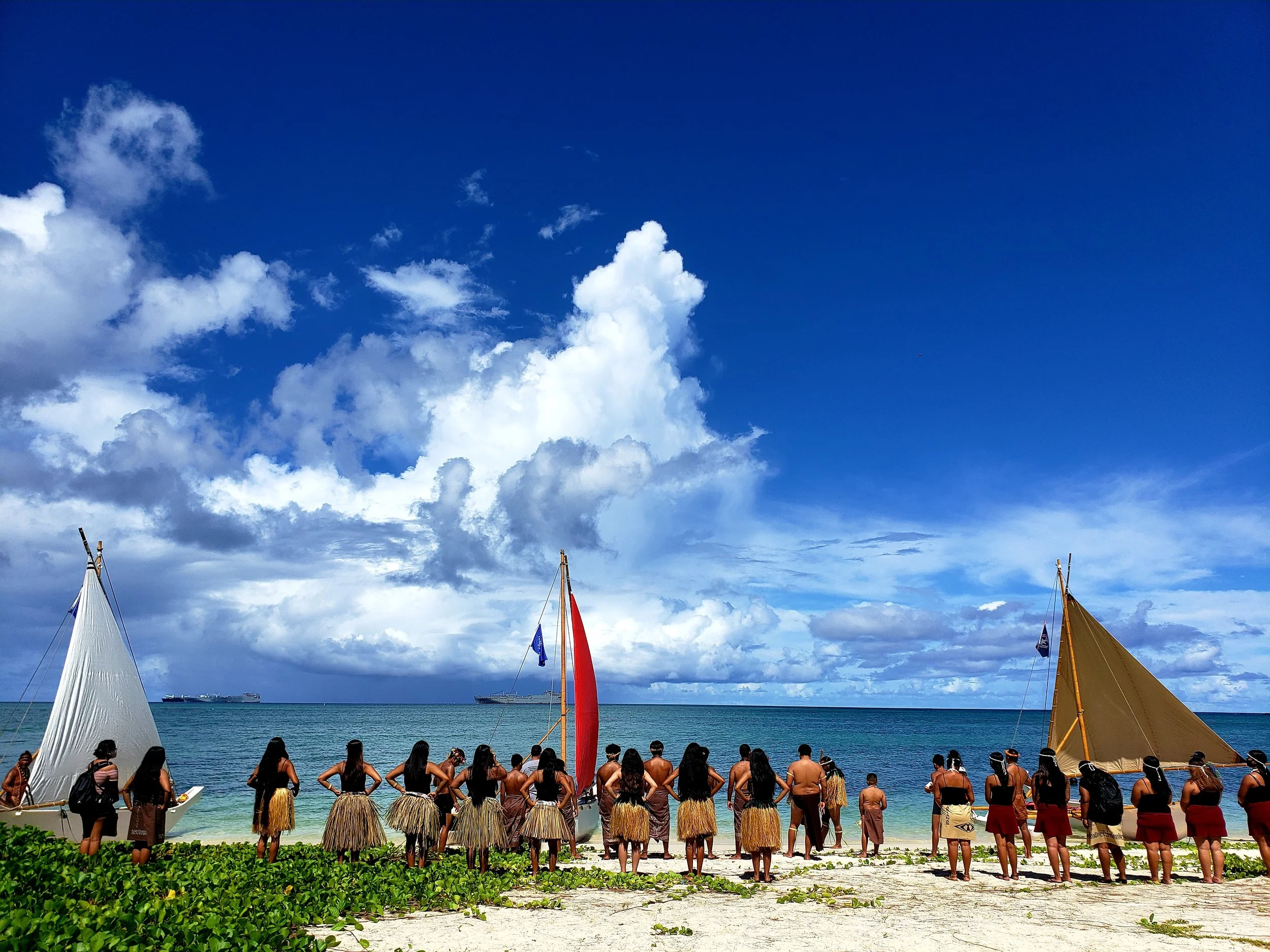
Friends of the Mariana Trench's (FOMT's) Solving for X project aims to create pathways related to Natural Resources Management to increase indigenous capacity through Ocean Science Clubs (OSCs). OSCs are led by club advisors who are supported by FOMT's local network of ocean elders, mid-career professionals, and college students. Last year, three OSCs were established across high schools in Saipan and Tinian with students engaging in stewardship projects guided by culture, citizen science, and science communications & leadership.
-
![]()
EarthEcho
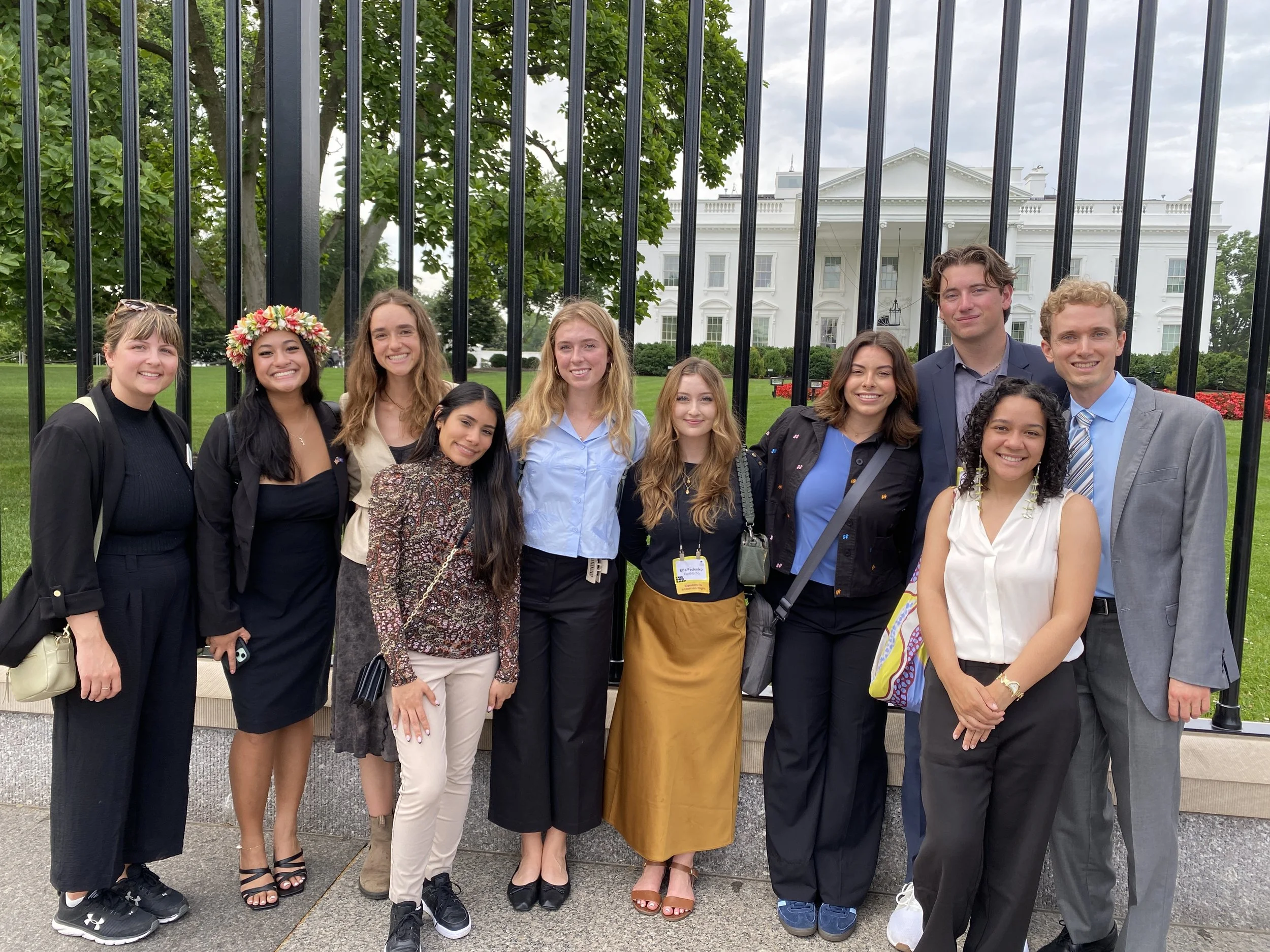
Through EarthEcho International's Ocean Protection Ambassador program, eight young ocean advocates led impact campaigns focused on the expansion and enhancement of MPAs across the United States. The experience also united Ambassadors at Capitol Hill Ocean Week to directly elevate their campaign priorities with Congressional and Administration officials, further developing their advocacy skills and advancing this work.This unique, paid professional development experience, hosted in collaboration with local partner organizations, builds capacity for community-based action grounded in authentic youth leadership
-
![]()
Corazón Latino
The “Guardianes del Litoral” initiative from Corazon Latino created a curriculum centered around environmental stewardship and ocean-river interactions that gained approval from the Puerto Rico Department of Education. Over 10,000 students were engaged via a traveling exhibit tied to the new curriculum, inspiring youth engagement with conservation and developing sustainable human-nature relationships.
-
![]()
Hispanic Access Foundation
Hispanic Access Foundation establishes bridges of access that provide a path for the development and rise of Latino leaders and elevate their voices. In 2024, their ocean program launched the inaugural DIVES initiative, where they have certified 10 new Latino open-water scuba divers across six states and Puerto Rico while enhancing their ocean literacy skills. Visit their website to read more about DIVES and check out Hispanic Access Foundation's latest whitepaper exploring Latinos’ role in US Fisheries.
-
![]()
Tina Sablan & Alex Tudela
Ocean conservation has a rich and complicated history in the Mariana Islands. A landscape analysis and report by Christina Sablan and Alex Tudela explores what “community-led conservation” means and a path forward for the islands. Informed by surveys and interviews, they articulate principles and specific actions to advance future conservation efforts.
-
![]()
Azul
Azul has fielded the largest polling dataset on Latino communities and ocean justice. The 2024 National Azul Poll tells the story of people power— Latinos are agents of action, change and protecting our communities. 80% of Latino voters are more likely to support candidates advocating for stronger ocean protection and ocean justice, demonstrating Latino leadership in the ocean space and motivating Azul’s work to protect 30x30 and combat threats to our ocean.
-
![]()
Environment America
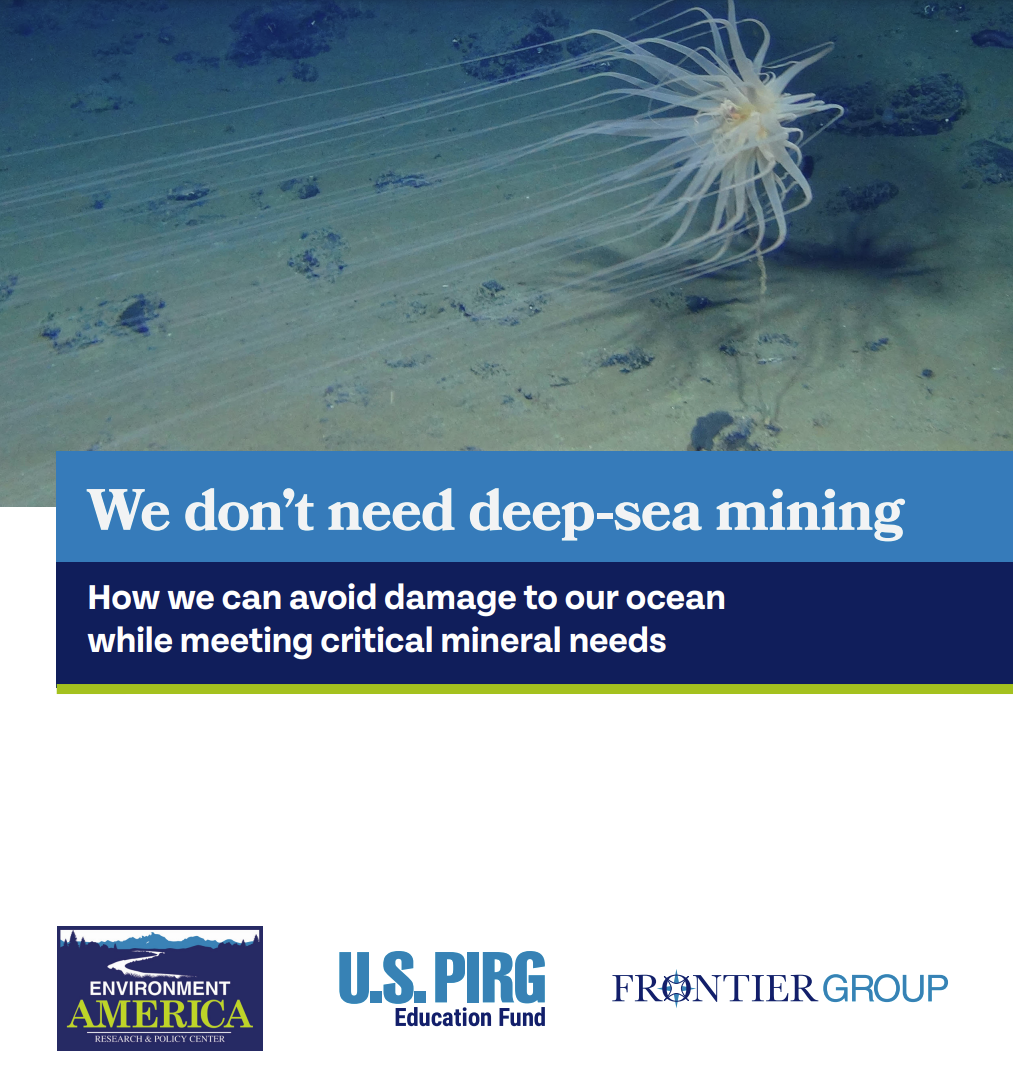
In June 2024, Environment America Research & Policy Center and its partners Frontier Group and U.S. PIRG Education Fund released a report detailing the devastating environmental impacts of deep-sea mining, making the case that we do not need destructive deep-sea mining operations to meet our critical mineral needs. The world trashes more copper and cobalt in our electronic waste than miners would likely extract each year from the central Pacific through at least 2035. Read more in the report.
-
![]()
Creation Justice Ministries
For the third year in a row, the Duke Marine Lab has hosted a Pastoral Care for Climate retreat co-led by Creation Justice Ministries, the Duke Divinity School, Duke's Nicholas School for the Environment, and the Anabaptist Climate Collaborative. This retreat brought together church leaders from North Carolina, South Carolina, and Virginia to learn from climate scientists, theologians, and public health experts on how to weave climate advocacy into the life of their faith communities. Image Credit: Tess Koontz, Creation Justice Ministries
-
![]()
Northern Chumash Tribal Council & the Chumash Heritage National Marine Sanctuary
The Chumash Heritage National Marine Sanctuary (CHNMS) became effective on Saturday, November 30, 2024, the final day of Native American Heritage Month, nearly ten years since the sanctuary was first proposed at the federal level. The decades-long campaign to designate the first Indigenous-nominated national marine sanctuary, led by the Northern Chumash Tribal Council (NCTC) and allied organizations finally came to fruition.






NOPC Partners